
$US 499.00
LUX Orchestral Brass
True Dynamic Range. Pure Brass.
With LUX Orchestral Brass, we set out to keep the same spirit that made LUX Orchestral Strings popular with composers everywhere, while recognising that brass sections need something different.
LUX Orchestral Strings made composers feel like they were in the room with the musicians. LUX Orchestral Brass does this too, but focuses more on depth than on width. We took this approach because composers told us they wanted brass they would actually use.
LUX Orchestral Brass is not meant to be another "big Hollywood brass" library like many others. Instead, it is made to work perfectly with LUX Orchestral Strings and one of the few libraries that records the full dynamic range instead of creating it artificially.
- Full Orchestral Brass Section
- Key switch articulation sets for every musical context
- Up to Six Dynamic Layers
- Auto Divisi Instruments
- Six Mic Positions + Full Mix
- Seamless Articulation Transitioning
- Morphing articulations
- Adaptive articulations that switch automatically as you play
- Composer-Crafted ensembles with different voicing combinations


With PayPal, you can split your payment over several months, making it easier to manage your budget.
Availability and terms vary by country, so be sure to explore this option at checkout.
Punctuating Our Memories
Brass instruments have played a special role throughout history. Horns signalled important events, like the arrival of royalty or the beginning of a battle. Many celebrated classical pieces, from Wagner’s Ride of the Valkyries to Copland’s Fanfare for the Common Man, showcase unforgettable brass.
For decades, brass instruments have been central to some of the most memorable film scores. The 1960 score for the iconic movie Spartacus stands out for its punctuating brass. John Williams’ opening of Star Wars is impossible to forget, thanks to its bold brass, while John Barry created an evocative theme in Out of Africa that features sweeping brass. More recently, Hans Zimmer has used brass to add tension throughout modern classics like Gladiator and Inception.
Brass has a special role; our aim with LUX Orchestral Brass is to honour the heritage by giving composers an instrument to continue the tradition.
What Makes LUX Brass Special
Sonuscore asked working Hollywood composers what they actually reach for. The answer wasn’t a long list of special articulations. It was sustain, legato, different marcato styles, staccato, staccatissimo, fortepiano and repetitions, all recorded with depth, consistency and wide dynamic range. That’s where the recording time went. Instead of adding countless special techniques, we focused on making the articulations composers use every day as good as possible.
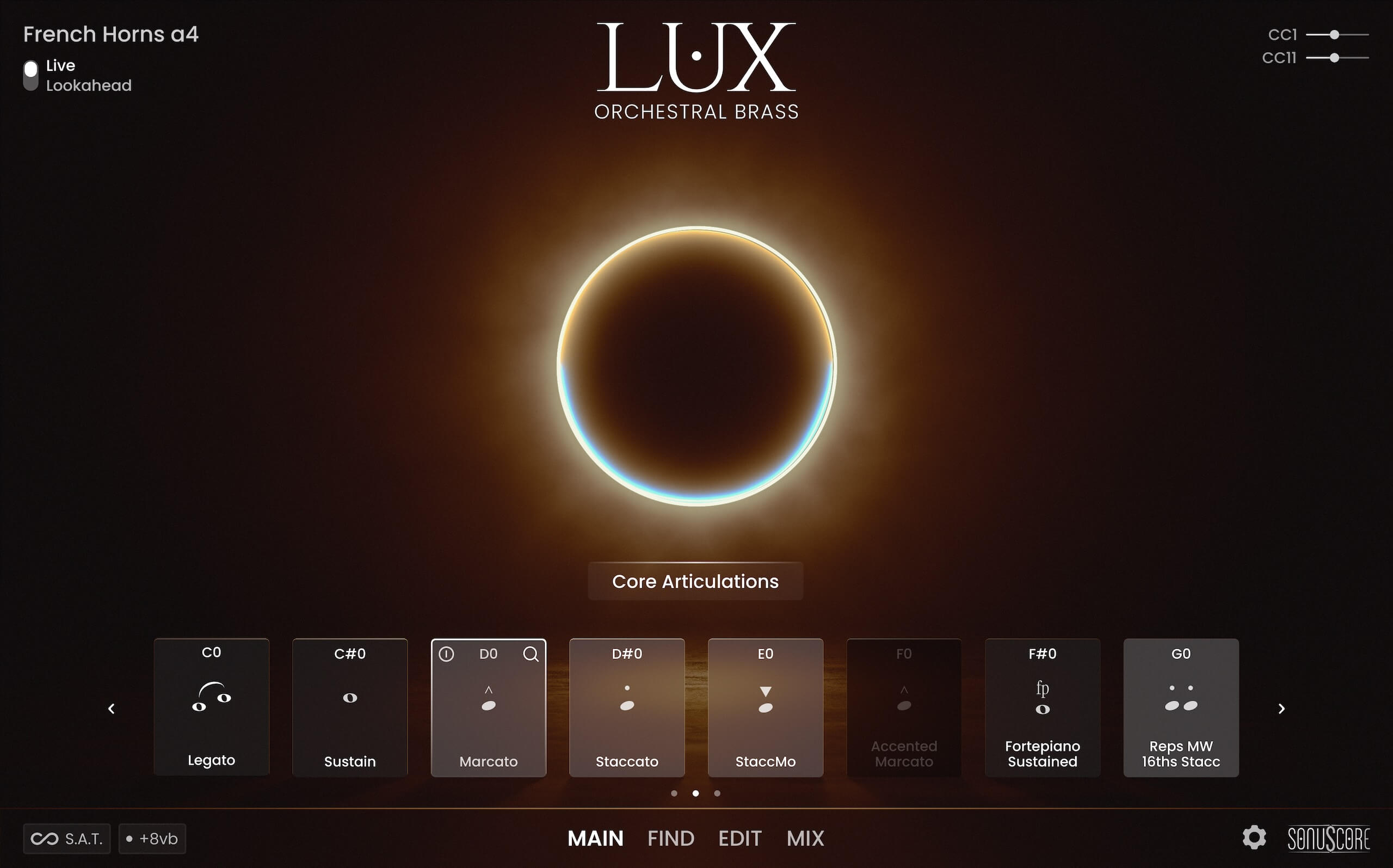
Up to six dynamic layers
From pp to fff, each one recorded separately. All long articulations feature the full six layers, capturing how the character and timbre of real brass changes across the dynamic range. Push the Mod Wheel and you hear more than a change in volume, you hear the instrument itself change.
One room, not two libraries.
Strings and Brass share the same scoring stage, each in its natural orchestral position, with matching bleed mics and the same acoustic signature. Working inside LUX means working in one real orchestral space, not combining two separate rooms in a mix.
Your brass changes character as you push the Mod Wheel and blends right away with LUX Strings, because both were recorded on the same stage. Every swell feels performed and your mix feels complete.
The Full American Layout
Solo Horn, Horns a2 and a4. Solo Trumpet and Trumpets a3. Solo Tenor Trombone and Tenor Trombones a3. Bass Trombone. Bass and Contrabass Tuba. Cimbasso. Auto-Divisi instruments with Polyphonic Legato for French Horns, Trumpets and Trombones. Plus, an Ensemble Instrument for playing the whole section at once. The layout composers expect from a classic Hollywood scoring session, not a partial set.
Comprehensive Bleed Microphones
– Back By Demand
Bleed microphones were one of the most talked-about features in LUX Orchestral Strings, and composers were clear that we couldn’t leave them out of Brass. When something captures the true experience of a full orchestral scoring session this well, it earns its place across the range.
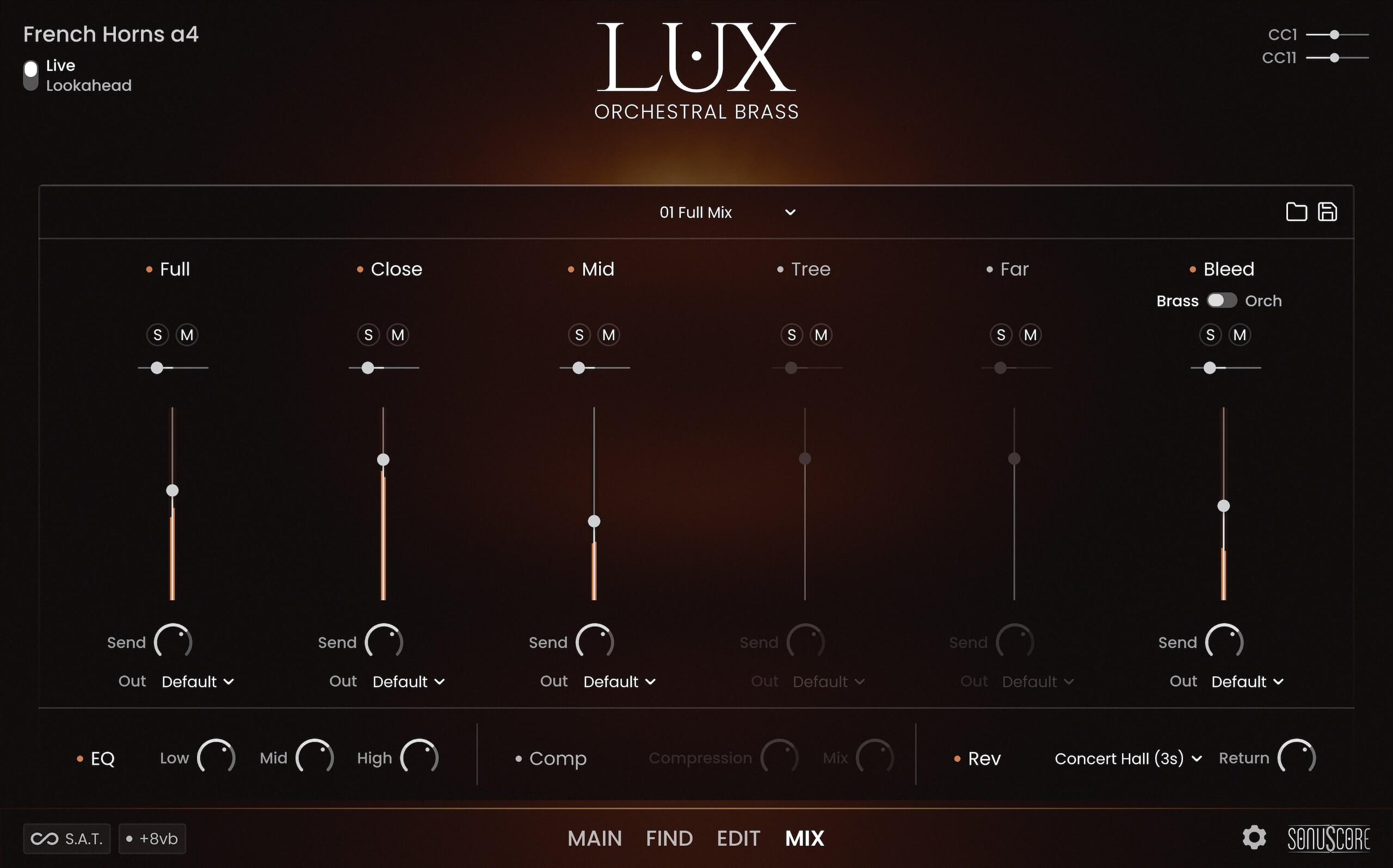
In total, we set up 53 microphones for the Brass sessions. 22 were used for the main capture, with close, blumlein, tree and far mics across the brass sections. On top of that, we added 31 close bleed microphones across the strings, woodwinds and percussion sections to record their natural spill into the brass. This recreated the complete orchestral recording setup, with every mic you would expect to find on a professional scoring stage.
Resonance That Lives and Breathes
Choose how much of that natural spill you want in your mix, from just a touch of color to the full character of the scoring stage. The result is bleed that does not feel like an added effect, but like the resonance and interplay of a real orchestra in the room and since brass and strings were recorded on the same stage, so they blend naturally from the first note. Your orchestra sounds like one ensemble in one room.
The same principle that made it work in Strings, applied to a section where spill matters just as much. A room full of brass does not exist in isolation. What surrounds it shapes what you hear, and now you can dial that in for yourself.
“The highly capable LUX Orchestral Brass has a powerful and inviting timbre made accessible through its clever programming.”
Ramin Djawadi • Composer
Game of Thrones | Westworld | Iron Man
Auto Divisi Instruments
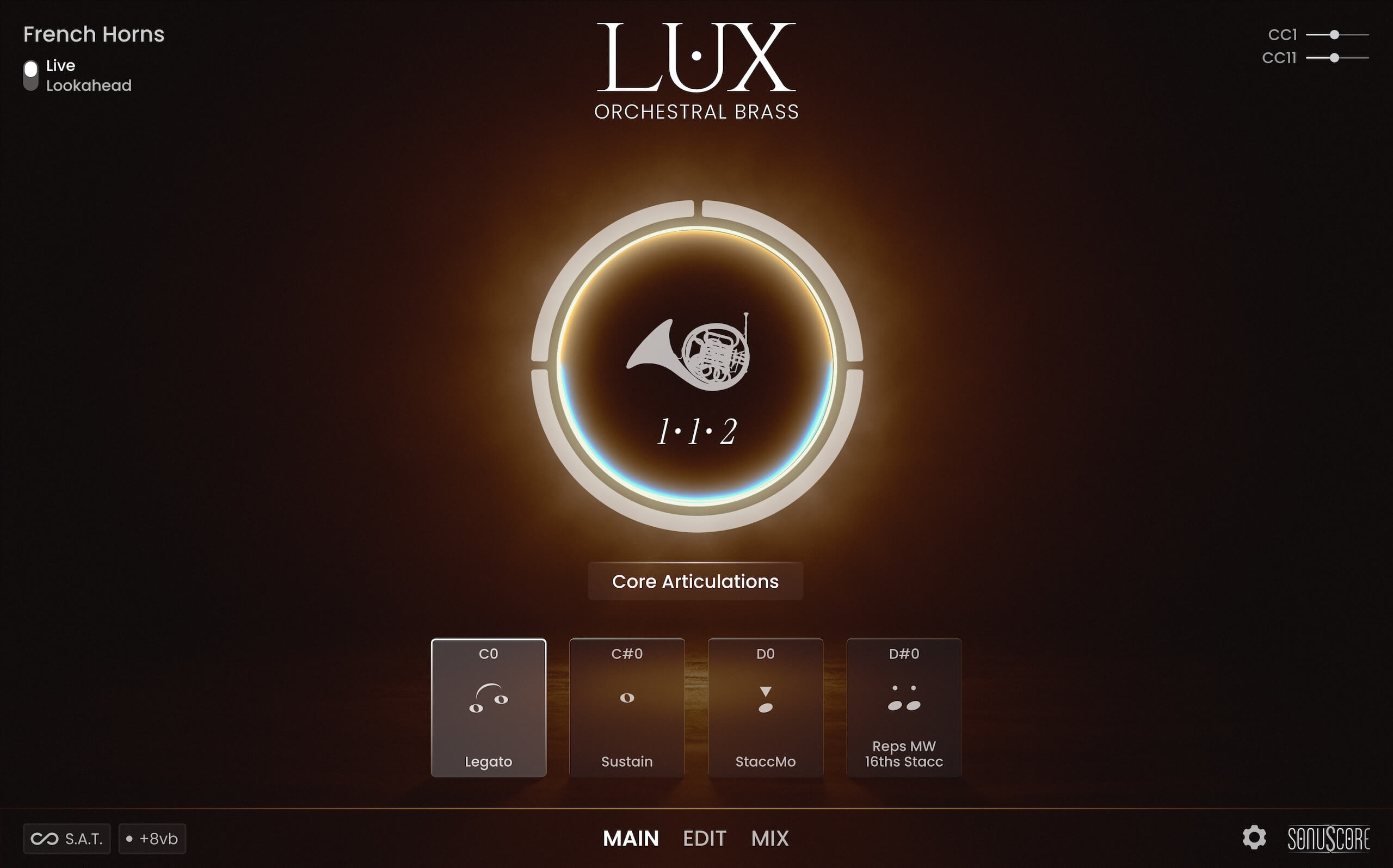
In a real brass section, players can perform in unison or divide naturally across multiple voices. Auto Divisi recreates this behaviour while always maintaining the original section size. With four horns, for example, one note is played by all four players, two notes are played by two horns each, and four notes are played by one horn each.
Dedicated Auto Divisi Instruments are available for Horns, Trumpets, and Trombones, with a range of articulations to choose from. Polyphonic Legato makes it possible to play naturally flowing chords and independent moving voices, while the engine continuously takes care of the player distribution.
Write anything from powerful unison lines to rich divided harmonies without manually splitting the section across multiple tracks.
Audio Demo 1
Auto Divisi Demo 01
Audio Demo 2
Auto Divisi Demo 02
“I’m really impressed. With LUX Orchestral Brass, Sonuscore have succeeded in creating a library that genuinely pushes the envelope for playability and sound. Seriously good.”
Simon Franglen • Composer
Avatar: Fire & Ash | Titanic | The Magnificent Seven

S.A.T. – Seamless Articulation Transitioning
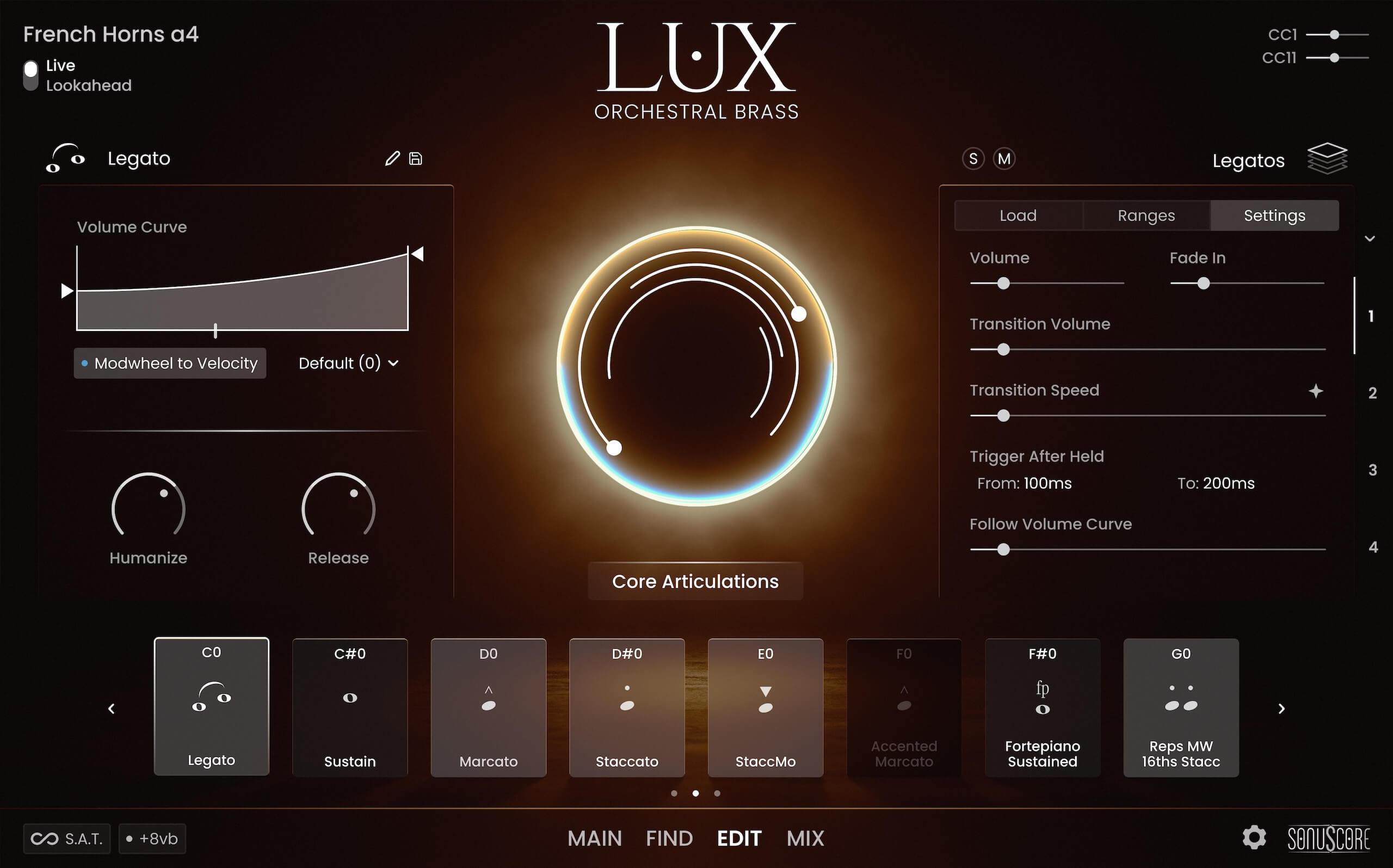
S.A.T., carried over from LUX Orchestral Strings, allows seamless articulation changes within a held note. Move naturally from Legato into Sustain or from Sustain into Espressivo without retriggering the note.
S.A.T. brings that fluid motion to LUX. Move between articulations while holding a note, letting phrases evolve with the natural expressiveness of real performance. A gentle key switch creates a gradual shift, a stronger one a quick change – giving you true instrumental flow at your fingertips.
S.A.T. gives you another way to shape a phrase as you play, creating smooth transitions between articulations without interrupting the performance.
“LUX Orchestral Brass is my dream-come-true workhorse cinematic brass sample library. A virtual golden consort construction from the good people of Sonuscore. It shines in its smoothness and subtlety from softness right through to furnace-fiery fortissimo. The tones are beautiful, and its articulations are deep. The auto divisi function is absolute genius.”
Stephen Gallagher • Composer
LOTR – The War Of The Rohirrim | The Beatles: Get Back | District 9
Ensemble: Instant Voicing, No Waiting
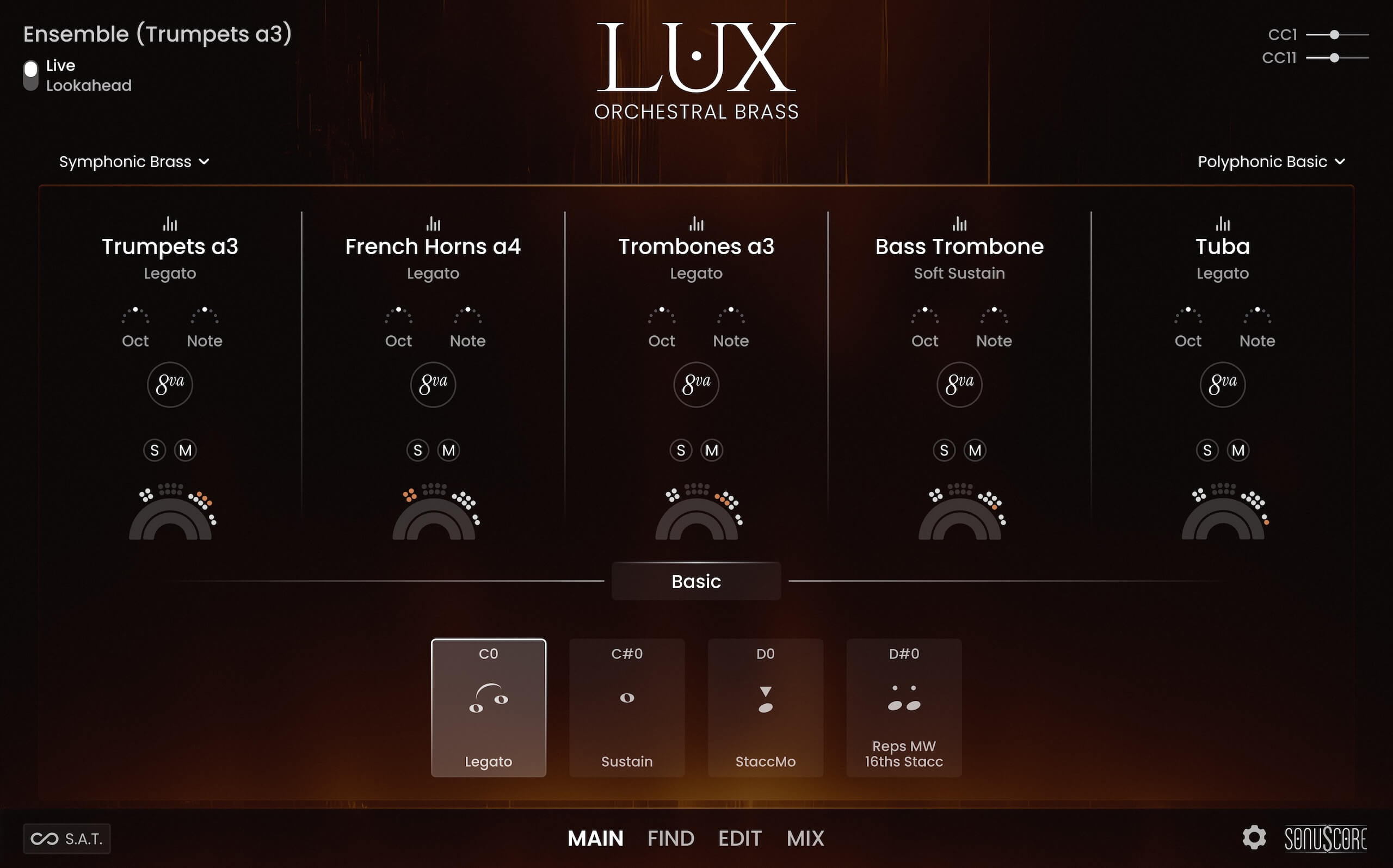
The Ensemble Instrument is much more than a quick sketching tool. Choose from ten different ensemble combinations, from Full Brass to selected section combinations such as Horns & Trumpets, and combine them with twelve different voicings designed for different musical situations.
Intelligent Note Selection distributes your MIDI input across the instruments, creating ready-orchestrated brass parts as you play. This makes it easy to perform anything from broad brass pads and chords to themes, motifs and powerful fanfares, without building the orchestration instrument by instrument.
The Ensemble Instrument can be a fast way to develop an idea, but it is equally useful as a finished sound in your arrangement. Choose a combination, select a voicing and articulation, and simply play.
Audio Demo 1
Ensemble Demo 01
Audio Demo 2
Ensemble Demo 02
“The Dynamics captured in LUX Orchestral Brass are incredible. Being able to go from that warm hum that is soft brass to biting brass growl with just the mod wheel speeds up the writing process in a way I didn’t know I needed.”
John Enroth • Composer
Thor: Ragnarok | 21 Jump Street
That’s just the start
The innovations set LUX Orchestral Brass apart, but the full feature set is just as impressive:
Expressive True Legato
Beautifully natural and realistic legato recordings across soloists and sections, designed for everything from intimate lyrical lines to powerful brass melodies.
Complete Set of Core Articulations
Sustain, Legato, Grand and Accented Marcato, Staccato, Staccatissimo, Fortepiano, Repetitions and more, complemented by further individual Sets for different playing styles.
Ensemble Instrument
Choose from 10 ensemble combinations and 12 different voicings, with intelligent Note Selection distributing your MIDI input across the instruments for ready-orchestrated brass parts.
Playable Tempo-Synced Repetitions
Perform perfectly synced repetitions and control the repetition count intuitively with the Mod Wheel.
Auto Divisi Section Instruments
Automatically distribute played notes across Horns, Trumpets and Trombones while always maintaining the original section size, with Polyphonic Legato and multiple articulations.
Adaptive Patches
Switch naturally between articulations based on your playing and note length, from Adaptive Legato to fanfare-style Staccatissimo and Marcato combinations.
Seamless Articulation Transitioning
Change articulations within a held note, for example from Legato into Sustain or from Sustain into Espressivo.
Polyphonic Aftertouch & 8vb
Add expressive control to individual notes and instantly double your performance one octave below.
6 Mic Positions + Full Mix
Close, Mid, Tree, Far, Brass Bleed and Orchestra Bleed, plus a ready-to-use Full Mix.
Natural Orchestral Seating
Recorded on the same scoring stage as LUX Orchestral Strings, with every section captured in its natural position within the orchestra.
Huge Dynamic Range
Up to six separately recorded dynamic layers capture the changing character of brass from the softest dynamics to powerful fff.
Extensive Keyswitch Selection
Access up to 24 keyswitches across articulation pages and customize your setup with the articulations you need.
“Lyrical legatos. Huge dynamic range. A sound that feels played, not programmed. Section divisi automatically picks the right number of players for each chord, keeping the legato polyphonic, and the ensemble divisi distributes chords across the whole brass family. From majestic tutti to the most delicate solo line, LUX Orchestral Brass delivers”
Paul Rabiger • Composer
National Geographic | Terra X | Amazon
Pro Stage
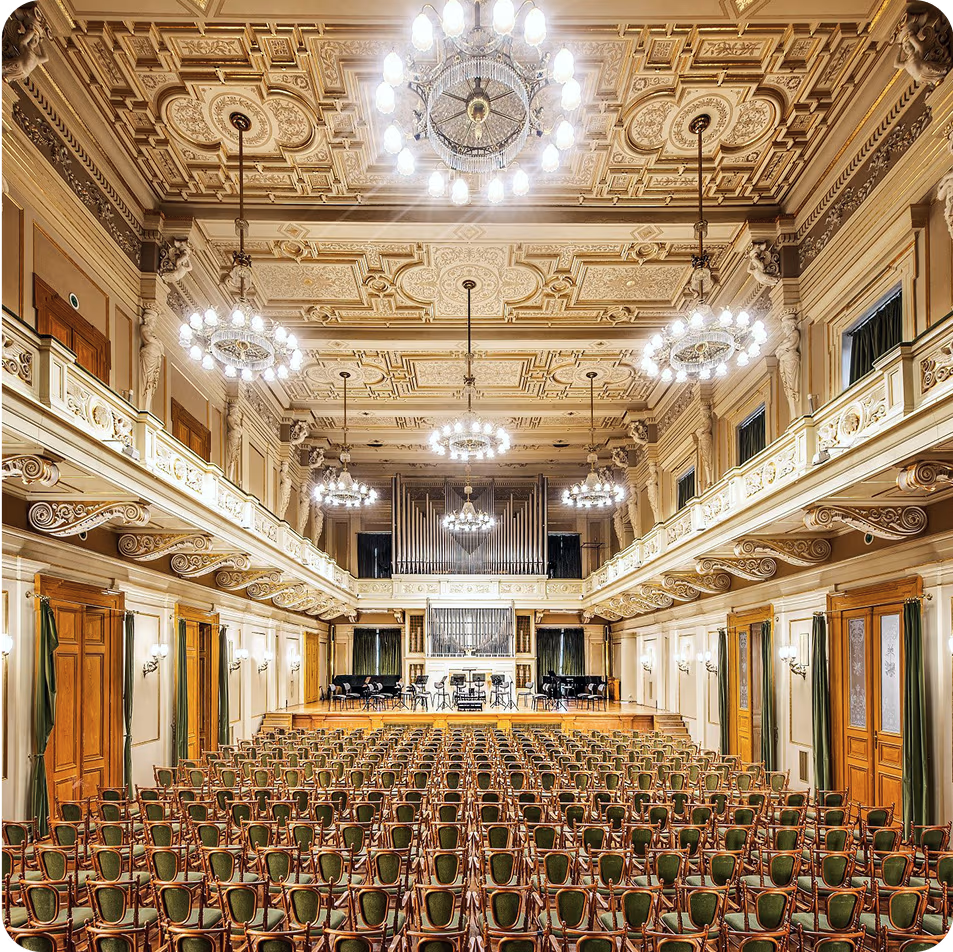
For Brass, we used the same large concert stage as LUX Orchestral Strings, chosen for its warm and spacious sound. The brass section was set up in the classic symphonic layout, just as it would be on a scoring stage. Recording in the same room as Strings gives both libraries a shared sense of space, making the sound not only accurate but also cinematic; wide, immersive, and balanced. This means it fits easily into any cinematic production without extra processing.
Pro Engineers
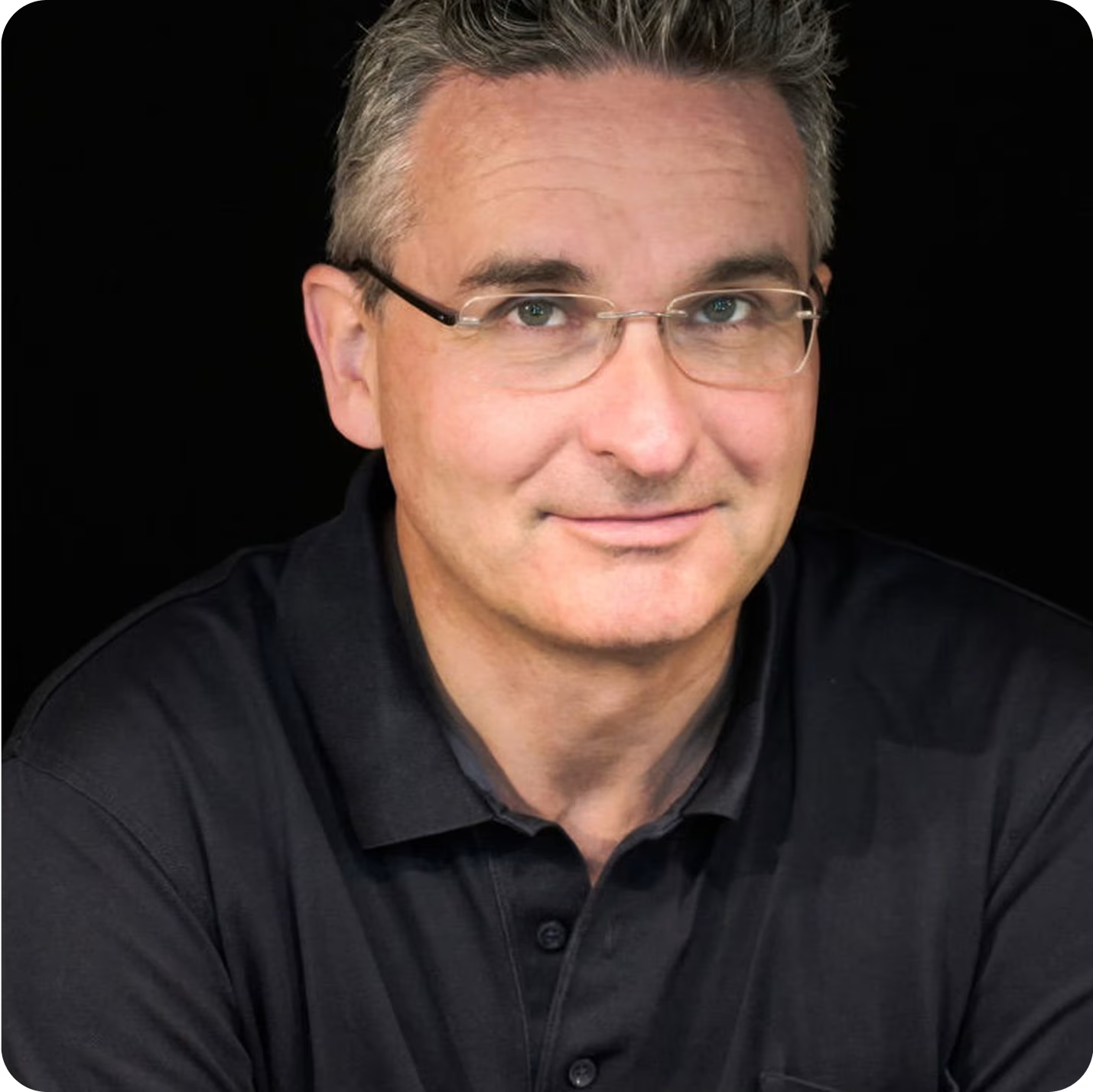
We worked with the same team behind LUX Orchestral Strings to record LUX Orchestral Brass. This includes StarRecordings productions and award-winning score mixer Peter Fuchs, who has worked on over 400 films such as Iron Man 3 and Now You See Me, as well as games like Harry Potter and Call Of Duty. Their careful approach, which brought Strings to life, also underpins Brass, ensuring LUX Orchestral Brass offers outstanding clarity and expression for composers.
Pro Gear
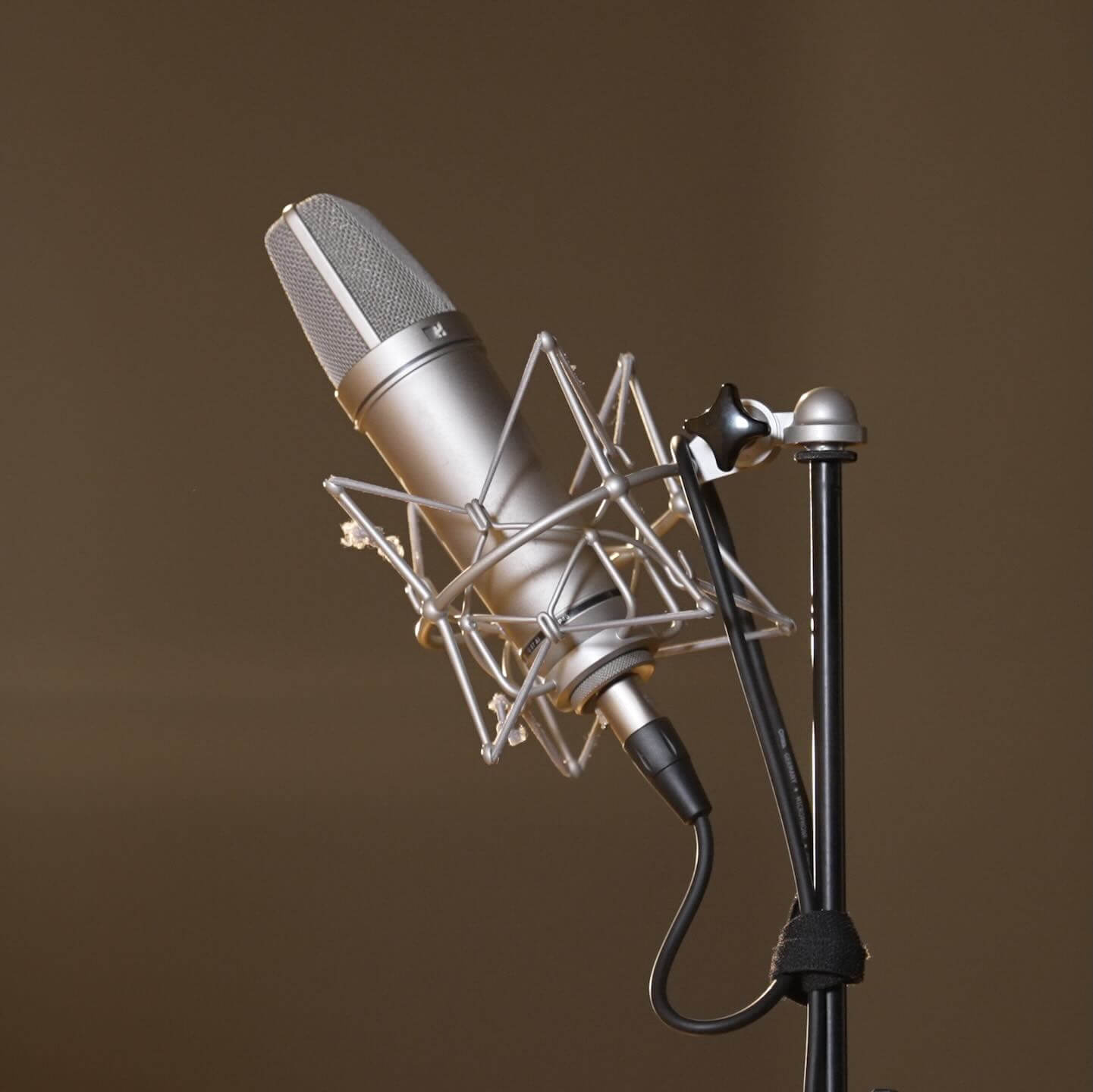
We used the same professional gear from Strings to capture every detail of the brass section, including top microphones from DPA, Schoeps, Neumann, Coles, and others. This high-quality setup preserves every breath, resonance, and subtle detail, giving composers an authentic and inspiring virtual brass library.
The result is a brass ensemble that feels real and alive, not like it was made on a computer. Recorded on the same stage by the same team, LUX Orchestral Brass shares the sonic character of LUX Orchestral Strings but also stands on its own. Whether you are writing soft chords or powerful fortissimo hits, it brings the true presence of a scoring orchestra.
“I love how LUX Orchestral Brass responds to dynamic control; its smooth movement from gorgeous warmth to a bit of brassy bite is realistic and extremely satisfying in a way I don’t experience with other libraries. The auto divisi tools are a big time saver, and playability is top tier. I would 100% use these instruments in a final production.”
Judson Crane
Composer • Poker Face
Music Department • Knives Out / Looper / Insurgent
Built for scores that will never leave you
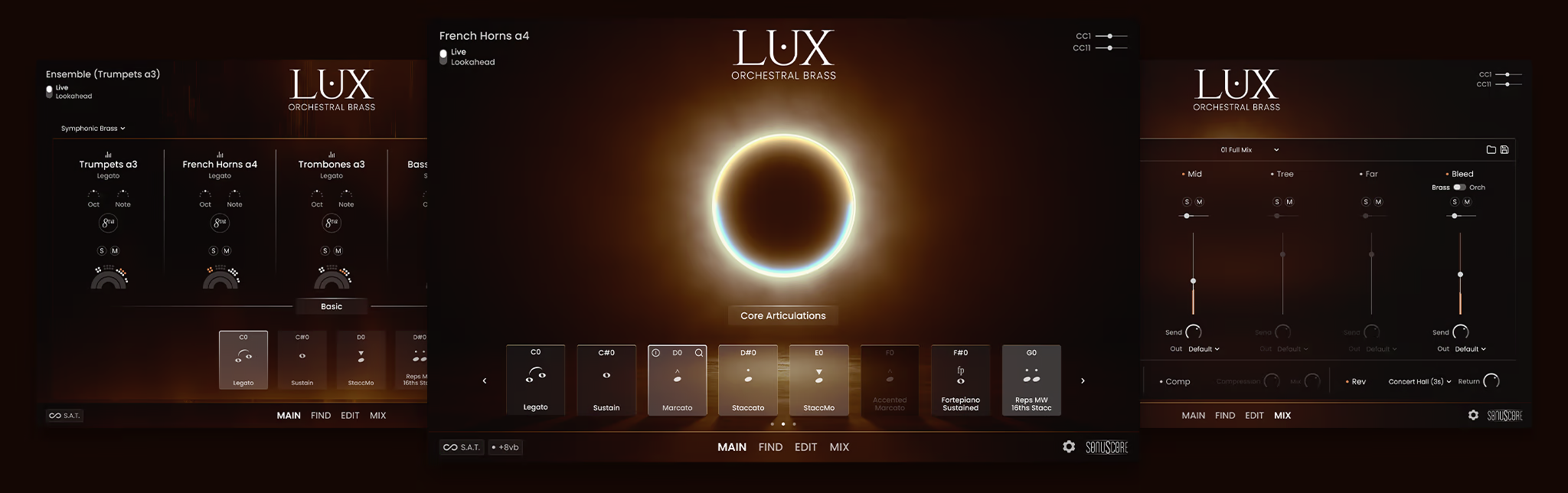
Don’t just compose – create cinematic moments that move, thrill, and inspire. With LUX Orchestral Brass, every note feels alive, every passage resonates, and every score becomes unforgettable. Transform your ideas into epic orchestral reality.
Articulation Overview
LUX Orchestral Brass focuses on the articulations composers use most, not every possible option. We chose each one based on feedback from working composers, then recorded them in detail so they are truly usable in real scoring projects. Articulations with an asterisk (*) are also available as separate Single Instruments.
French Horn Solo
Classical Articulations
Legato
- Legato *
- Full Legato
- Legato Espressivo *
- Accented Legato
- Adaptive Legato *
Sustains
- Sustain *
- Sustain Espressivo
- Soft Sustain
- Strong Sustain
- Bells Up FF
- Accented Sustain
- Adaptive Sustain *
- Fortepiano Sustained *
- Marcato Sustained
- Acc Marc Sustained
Shorts
- Adaptive Fanfare *
- Adaptive Fanfare MW
- Adaptive Shorts *
- Fortepiano
- Fortepiano MW
- Marcato *
- Marcato MW
- Accented Marcato *
- Acc Marc MW
- Staccato *
- Staccato MW
- StaccMo *
- StaccMo MW
- Soft Staccato
- Soft Staccato MW
- Soft StaccMo
- Soft StaccMo MW
Adaptive
- Adaptive Fanfare *
- Adaptive Fanfare MW
- Adaptive Shorts *
- Adaptive Sustain *
- Adaptive Legato *
- Adaptive 8ths Reps
- Adaptive 8Trp Reps
- Adaptive 16ths Reps
- Adaptive 16Trp Reps
Repetitions
- Reps MW 8ths Stacc *
- Reps MW 8Trp Stacc *
- Reps MW 16ths Stacc *
- Reps MW 16Trp Stacc *
- Reps MW 8ths Marc
- Reps MW 8Trp Marc
- Reps MW 16ths Marc
- Reps MW 16Trp Marc
- Reps MW 8ths Fp
- Reps MW 8Trp Fp
- Reps MW 16ths Fp
- Reps MW 16Trp Fp
- Adaptive 8ths Reps
- Adaptive 8Trp Reps
- Adaptive 16ths Reps
- Adaptive 16Trp Reps
- Reps 2 8ths
- Reps 3 8ths
- Reps 4 8ths
- Reps 2 8Trp
- Reps 3 8Trp
- Reps 4 8Trp
- Reps 2 16ths
- Reps 3 16ths
- Reps 4 16ths
- Reps 2 16Trp
- Reps 3 16Trp
- Reps 4 16Trp
Articulation Morphs
Short Morphs
- StaccMo – Staccato
- Staccato – Grand Marc
- Staccato – Acc Marc
- Staccato – Fortepiano
- StaccMo – Grand Marc
- StaccMo – Acc Marc
- StaccMo – Fortepiano
Long Morphs
- Sustain – Sus Espr
Articulation Combis
Short Combis
- Staccato + StaccMo
- Staccato + Grand Marc
- Staccato + Acc Marc
- Staccato + Fortepiano
- StaccMo + Grand Marc
- StaccMo + Acc Marc
- StaccMo + Fortepiano
- Fortepiano + Grand Marc
- Fortepiano + Acc Marc
Long Combis
- Sustain + Staccato
- Sustain + StaccMo
- Sustain + StaccMarc
- Sustain + Sus Espr
French Horns (2 Players)
Classical Articulations
Legato
- Legato *
- Full Legato
- Lyrical Legato
- Accented Legato
- Adaptive Legato *
Sustains
- Sustain *
- Soft Sustain
- Strong Sustain
- Bells Up FF
- Accented Sustain
- Adaptive Sustain *
- Fortepiano Sustained *
- Marcato Sustained
- Acc Marc Sustained
Shorts
- Adaptive Fanfare *
- Adaptive Fanfare MW
- Adaptive Shorts *
- Fortepiano
- Fortepiano MW
- Marcato *
- Marcato MW
- Accented Marcato *
- Acc Marc MW
- Staccato *
- Staccato MW
- StaccMo *
- StaccMo MW
- Soft Staccato
- Soft Staccato MW
- Soft StaccMo
- Soft StaccMo MW
Adaptive
- Adaptive Fanfare *
- Adaptive Fanfare MW
- Adaptive Shorts *
- Adaptive Sustain *
- Adaptive Legato *
- Adaptive 8ths Reps
- Adaptive 8Trp Reps
- Adaptive 16ths Reps
- Adaptive 16Trp Reps
Repetitions
- Reps MW 8ths Stacc *
- Reps MW 8Trp Stacc *
- Reps MW 16ths Stacc *
- Reps MW 16Trp Stacc *
- Reps MW 8ths Marc
- Reps MW 8Trp Marc
- Reps MW 16ths Marc
- Reps MW 16Trp Marc
- Reps MW 8ths Fp
- Reps MW 8Trp Fp
- Reps MW 16ths Fp
- Reps MW 16Trp Fp
- Adaptive 8ths Reps
- Adaptive 8Trp Reps
- Adaptive 16ths Reps
- Adaptive 16Trp Reps
- Reps 2 8ths
- Reps 3 8ths
- Reps 4 8ths
- Reps 2 8Trp
- Reps 3 8Trp
- Reps 4 8Trp
- Reps 2 16ths
- Reps 3 16ths
- Reps 4 16ths
- Reps 2 16Trp
- Reps 3 16Trp
- Reps 4 16Trp
Articulation Morphs
Short Morphs
- StaccMo – Staccato
- Staccato -StaccMo
- Staccato – Grand Marc
- Staccato – Acc Marc
- Staccato – Fortepiano
- StaccMo – Grand Marc
- StaccMo – Acc Marc
- StaccMo – Fortepiano
Articulation Combis
Short Combis
- Staccato + StaccMo
- Staccato + Grand Marc
- Staccato + Acc Marc
- Staccato + Fortepiano
- StaccMo + Grand Marc
- StaccMo + Acc Marc
- StaccMo + Fortepiano
- Fortepiano + Grand Marc
- Fortepiano + Acc Marc
Long Combis
- Sustain + Staccato
- Sustain + StaccMo
- Sustain + StaccMarc
French Horns (4 Players)
Classical Articulations
Legato
- Legato *
- Full Legato
- Lyrical Legato
- Accented Legato
- Adaptive Legato *
Sustains
- Sustain *
- Soft Sustain
- Strong Sustain
- Bells Up FF
- Accented Sustain
- Adaptive Sustain *
- Fortepiano Sustained *
- Marcato Sustained
- Acc Marc Sustained
Shorts
- Adaptive Fanfare *
- Adaptive Fanfare MW
- Adaptive Shorts *
- Fortepiano
- Fortepiano MW
- Marcato *
- Marcato MW
- Accented Marcato *
- Acc Marc MW
- Staccato *
- Staccato MW
- StaccMo *
- StaccMo MW
- Soft Staccato
- Soft Staccato MW
- Soft StaccMo
- Soft StaccMo MW
Adaptive
- Adaptive Fanfare *
- Adaptive Fanfare MW
- Adaptive Shorts *
- Adaptive Sustain *
- Adaptive Legato *
- Adaptive 8ths Reps
- Adaptive 8Trp Reps
- Adaptive 16ths Reps
- Adaptive 16Trp Reps
Repetitions
- Reps MW 8ths Stacc *
- Reps MW 8Trp Stacc *
- Reps MW 16ths Stacc *
- Reps MW 16Trp Stacc *
- Reps MW 8ths Marc
- Reps MW 8Trp Marc
- Reps MW 16ths Marc
- Reps MW 16Trp Marc
- Reps MW 8ths Fp
- Reps MW 8Trp Fp
- Reps MW 16ths Fp
- Reps MW 16Trp Fp
- Adaptive 8ths Reps
- Adaptive 8Trp Reps
- Adaptive 16ths Reps
- Adaptive 16Trp Reps
- Reps 2 8ths
- Reps 3 8ths
- Reps 4 8ths
- Reps 2 8Trp
- Reps 3 8Trp
- Reps 4 8Trp
- Reps 2 16ths
- Reps 3 16ths
- Reps 4 16ths
- Reps 2 16Trp
- Reps 3 16Trp
- Reps 4 16Trp
Articulation Morphs
Short Morphs
- StaccMo – Staccato
- Staccato – Grand Marc
- Staccato – Acc Marc
- Staccato – Fortepiano
- StaccMo – Grand Marc
- StaccMo – Acc Marc
- StaccMo – Fortepiano
Articulation Combis
Short Combis
- Staccato + StaccMo
- Staccato + Grand Marc
- Staccato + Acc Marc
- Staccato + Fortepiano
- StaccMo + Grand Marc
- StaccMo + Acc Marc
- StaccMo + Fortepiano
- Fortepiano + Grand Marc
- Fortepiano + Acc Marc
Long Combis
- Sustain + Staccato
- Sustain + StaccMo
- Sustain + StaccMarc
Trumpet Solo
Classical Articulations
Legato
- Legato *
- Full Legato
- Legato Espressivo *
- Accented Legato
- Adaptive Legato *
Sustains
- Sustain *
- Sustain Espressivo
- Soft Sustain
- Strong Sustain
- Sustain FF
- Accented Sustain
- Adaptive Sustain *
- Fortepiano Sustained *
- Marcato Sustained
- Acc Marc Sustained
Shorts
- Adaptive Fanfare *
- Adaptive Fanfare MW
- Adaptive Shorts *
- Adaptive HT Falls
- Fortepiano
- Fortepiano MW
- Marcato *
- Marcato MW
- Accented Marcato *
- Acc Marc MW
- Staccato *
- Staccato MW
- StaccMo *
- StaccMo MW
- Soft Staccato
- Soft Staccato MW
- Soft StaccMo
- Soft StaccMo MW
- Half Tone Falls *
Adaptive
- Adaptive Fanfare *
- Adaptive Fanfare MW
- Adaptive Shorts *
- Adaptive Sustain *
- Adaptive Legato *
- Adaptive HT Falls
- Adaptive 8ths Reps
- Adaptive 8Trp Reps
- Adaptive 16ths Reps
- Adaptive 16Trp Reps
Repetitions
- Reps MW 8ths Stacc *
- Reps MW 8Trp Stacc *
- Reps MW 16ths Stacc *
- Reps MW 16Trp Stacc *
- Reps MW 8ths Marc
- Reps MW 8Trp Marc
- Reps MW 16ths Marc
- Reps MW 16Trp Marc
- Reps MW 8ths HT Fall
- Reps MW 8Trp HT Fall
- Reps MW 16ths HT Fall
- Reps MW 16Trp HT Fall
- Adaptive 8ths Reps
- Adaptive 8Trp Reps
- Adaptive 16ths Reps
- Adaptive 16Trp Reps
- Reps 2 8ths
- Reps 3 8ths
- Reps 4 8ths
- Reps 2 8Trp
- Reps 3 8Trp
- Reps 4 8Trp
- Reps 2 16ths
- Reps 3 16ths
- Reps 4 16ths
- Reps 2 16Trp
- Reps 3 16Trp
- Reps 4 16Trp
Articulation Morphs
Short Morphs
- StaccMo – Staccato
- Staccato – Grand Marc
- Staccato – Acc Marc
- Staccato – Fortepiano
- StaccMo – Grand Marc
- StaccMo – Acc Marc
- StaccMo – Fortepiano
Long Morphs
- Sustain – Sus Espr
Articulation Combis
Short Combis
- Staccato + StaccMo
- Staccato + Grand Marc
- Staccato + Acc Marc
- Staccato + Fortepiano
- StaccMo + Grand Marc
- StaccMo + Acc Marc
- StaccMo + Fortepiano
- Fortepiano + Grand Marc
- Fortepiano + Acc Marc
Long Combis
- Sustain + Staccato
- Sustain + StaccMo
- Sustain + StaccMarc
- Sustain + Sus Espr
Trumpets (3 Players)
Classical Articulations
Legato
- Legato *
- Full Legato
- Lyrical Legato
- Accented Legato
- Adaptive Legato *
Sustains
- Sustain *
- Soft Sustain
- Strong Sustain
- Sustain FF
- Accented Sustain
- Adaptive Sustain *
- Fortepiano Sustained *
- Marcato Sustained
- Acc Marc Sustained
Shorts
- Adaptive Fanfare *
- Adaptive Fanfare MW
- Adaptive Shorts *
- Fortepiano
- Fortepiano MW
- Marcato *
- Marcato MW
- Accented Marcato *
- Acc Marc MW
- Staccato *
- Staccato MW
- StaccMo *
- StaccMo MW
- Soft Staccato
- Soft Staccato MW
- Soft StaccMo
- Soft StaccMo MW
Adaptive
- Adaptive Fanfare *
- Adaptive Fanfare MW
- Adaptive Shorts *
- Adaptive Sustain *
- Adaptive Legato *
- Adaptive 8ths Reps
- Adaptive 8Trp Reps
- Adaptive 16ths Reps
- Adaptive 16Trp Reps
Repetitions
- Reps MW 8ths Stacc *
- Reps MW 8Trp Stacc *
- Reps MW 16ths Stacc *
- Reps MW 16Trp Stacc *
- Reps MW 8ths Marc
- Reps MW 8Trp Marc
- Reps MW 16ths Marc
- Reps MW 16Trp Marc
- Reps MW 8ths Fp
- Reps MW 8Trp Fp
- Reps MW 16ths Fp
- Reps MW 16Trp Fp
- Adaptive 8ths Reps
- Adaptive 8Trp Reps
- Adaptive 16ths Reps
- Adaptive 16Trp Reps
- Reps 2 8ths
- Reps 3 8ths
- Reps 4 8ths
- Reps 2 8Trp
- Reps 3 8Trp
- Reps 4 8Trp
- Reps 2 16ths
- Reps 3 16ths
- Reps 4 16ths
- Reps 2 16Trp
- Reps 3 16Trp
- Reps 4 16Trp
Articulation Morphs
Short Morphs
- StaccMo – Staccato
- Staccato – Grand Marc
- Staccato – Acc Marc
- Staccato – Fortepiano
- StaccMo – Grand Marc
- StaccMo – Acc Marc
- StaccMo – Fortepiano
Articulation Combis
Short Combis
- Staccato + StaccMo
- Staccato + Grand Marc
- Staccato + Acc Marc
- Staccato + Fortepiano
- StaccMo + Grand Marc
- StaccMo + Acc Marc
- StaccMo + Fortepiano
- Fortepiano + Grand Marc
- Fortepiano + Acc Marc
Long Combis
- Sustain + Staccato
- Sustain + StaccMo
- Sustain + StaccMarc
Tenor Trombone Solo
Classical Articulations
Legato
- Legato *
- Full Legato
- Lyrical Legato
- Accented Legato
- Adaptive Legato *
Sustains
- Sustain *
- Soft Sustain
- Strong Sustain
- Sustain FF
- Accented Sustain
- Slow Bends *
- Adaptive Sustain *
- Fortepiano Sustained *
- Marcato Sustained
- Acc Marc Sustained
Shorts
- Adaptive Fanfare *
- Adaptive Fanfare MW
- Adaptive Shorts *
- Fortepiano
- Fortepiano MW
- Marcato *
- Marcato MW
- Accented Marcato *
- Acc Marc MW
- Staccato *
- Staccato MW
- StaccMo *
- StaccMo MW
- Soft Staccato
- Soft Staccato MW
- Soft StaccMo
- Soft StaccMo MW
Adaptive
- Adaptive Fanfare *
- Adaptive Fanfare MW
- Adaptive Shorts *
- Adaptive Sustain *
- Adaptive Legato *
- Adaptive 8ths Reps
- Adaptive 8Trp Reps
- Adaptive 16ths Reps
- Adaptive 16Trp Reps
Repetitions
- Reps MW 8ths Stacc *
- Reps MW 8Trp Stacc *
- Reps MW 16ths Stacc *
- Reps MW 16Trp Stacc *
- Reps MW 8ths Marc
- Reps MW 8Trp Marc
- Reps MW 16ths Marc
- Reps MW 16Trp Marc
- Reps MW 8ths Fp
- Reps MW 8Trp Fp
- Reps MW 16ths Fp
- Reps MW 16Trp Fp
- Adaptive 8ths Reps
- Adaptive 8Trp Reps
- Adaptive 16ths Reps
- Adaptive 16Trp Reps
- Reps 2 8ths
- Reps 3 8ths
- Reps 4 8ths
- Reps 2 8Trp
- Reps 3 8Trp
- Reps 4 8Trp
- Reps 2 16ths
- Reps 3 16ths
- Reps 4 16ths
- Reps 2 16Trp
- Reps 3 16Trp
- Reps 4 16Trp
Articulation Morphs
Short Morphs
- StaccMo – Staccato
- Staccato – Grand Marc
- Staccato – Fortepiano
- StaccMo – Grand Marc
- StaccMo – Acc Marc
- StaccMo – Fortepiano
Articulation Combis
Short Combis
- Staccato + StaccMo
- Staccato + Grand Marc
- Staccato + Acc Marc
- Staccato + Fortepiano
- StaccMo + Grand Marc
- StaccMo + Acc Marc
- StaccMo + Fortepiano
- Fortepiano + Grand Marc
- Fortepiano + Acc Marc
Long Combis
- Sustain + Staccato
- Sustain + StaccMo
- Sustain + StaccMarc
Tenor Trombones (3 Players)
Classical Articulations
Legato
- Legato *
- Full Legato
- Lyrical Legato
- Accented Legato
- Adaptive Legato *
Sustains
- Sustain *
- Soft Sustain
- Strong Sustain
- Sustain FF
- Accented Sustain
- Slow Bends *
- Adaptive Sustain *
- Fortepiano Sustained *
- Marcato Sustained
- Acc Marc Sustained
Shorts
- Adaptive Fanfare *
- Adaptive Fanfare MW
- Adaptive Shorts *
- Fortepiano
- Fortepiano MW
- Marcato *
- Marcato MW
- Accented Marcato *
- Acc Marc MW
- Staccato *
- Staccato MW
- StaccMo *
- StaccMo MW
- Soft Staccato
- Soft Staccato MW
- Soft StaccMo
- Soft StaccMo MW
Adaptive
- Adaptive Fanfare *
- Adaptive Fanfare MW
- Adaptive Shorts *
- Adaptive Sustain *
- Adaptive Legato *
- Adaptive 8ths Reps
- Adaptive 8Trp Reps
- Adaptive 16ths Reps
- Adaptive 16Trp Reps
Repetitions
- Reps MW 8ths Stacc *
- Reps MW 8Trp Stacc *
- Reps MW 16ths Stacc *
- Reps MW 16Trp Stacc *
- Reps MW 8ths Marc
- Reps MW 8Trp Marc
- Reps MW 16ths Marc
- Reps MW 16Trp Marc
- Reps MW 8ths Fp
- Reps MW 8Trp Fp
- Reps MW 16ths Fp
- Reps MW 16Trp Fp
- Adaptive 8ths Reps
- Adaptive 8Trp Reps
- Adaptive 16ths Reps
- Adaptive 16Trp Reps
- Reps 2 8ths
- Reps 3 8ths
- Reps 4 8ths
- Reps 2 8Trp
- Reps 3 8Trp
- Reps 4 8Trp
- Reps 2 16ths
- Reps 3 16ths
- Reps 4 16ths
- Reps 2 16Trp
- Reps 3 16Trp
- Reps 4 16Trp
Articulation Morphs
Short Morphs
- StaccMo – Staccato
- Staccato – Grand Marc
- Staccato – Acc Marc
- Staccato – Fortepiano
- StaccMo – Grand Marc
- StaccMo – Acc Marc
- StaccMo – Fortepiano
Articulation Combis
Short Combis
- Staccato + StaccMo
- Staccato + Grand Marc
- Staccato + Acc Marc
- Staccato + Fortepiano
- StaccMo + Grand Marc
- StaccMo + Acc Marc
- StaccMo + Fortepiano
- Fortepiano + Grand Marc
- Fortepiano + Acc Marc
Long Combis
- Sustain + Staccato
- Sustain + StaccMo
- Sustain + StaccMarc
Bass Trombone
Classical Articulations
Sustains
- Sustain *
- Soft Sustain
- Strong Sustain
- Sustain FF
- Accented Sustain
- Adaptive Sustain *
- Marcato Sustained
- Acc Marc Sustained
Shorts
- Adaptive Fanfare *
- Adaptive Fanfare MW
- Adaptive Shorts *
- Marcato *
- Marcato MW
- Accented Marcato *
- Acc Marc MW
- Staccato *
- Staccato MW
- StaccMo *
- StaccMo MW
- Soft Staccato
- Soft Staccato MW
- Soft StaccMo
- Soft StaccMo MW
Adaptive
- Adaptive Fanfare *
- Adaptive Fanfare MW
- Adaptive Shorts *
- Adaptive Sustain *
Articulation Morphs
Short Morphs
- StaccMo – Staccato
- Staccato – Grand Marc
- Staccato – Acc Marc
- StaccMo – Grand Marc
- StaccMo – Acc Marc
Articulation Combis
Short Combis
- Staccato + StaccMo
- Staccato + Grand Marc
- Staccato + Acc Marc
- StaccMo + Grand Marc
- StaccMo + Acc Marc
Long Combis
- Sustain + Staccato
- Sustain + StaccMo
- Sustain + StaccMarc
Tuba
Classical Articulations
Legato
- Legato *
- Lyrical Legato
- Accented Legato
- Adaptive Legato *
Sustains
- Sustain *
- Soft Sustain
- Strong Sustain
- Sustain FF
- Accented Sustain
- Adaptive Sustain *
- Fortepiano Sustained *
- Marcato Sustained
- Acc Marc Sustained
Shorts
- Adaptive Fanfare *
- Adaptive Fanfare MW
- Adaptive Shorts *
- Fortepiano
- Fortepiano MW
- Marcato *
- Marcato MW
- Accented Marcato *
- Acc Marc MW
- Staccato *
- Staccato MW
- StaccMo *
- StaccMo MW
- Soft Staccato
- Soft Staccato MW
- Soft StaccMo
- Soft StaccMo MW
Adaptive
- Adaptive Fanfare *
- Adaptive Fanfare MW
- Adaptive Shorts *
- Adaptive Sustain *
- Adaptive Legato *
Articulation Morphs
Short Morphs
- StaccMo – Staccato
- Staccato – Grand Marc
- Staccato – Acc Marc
- Staccato – Fortepiano
- StaccMo – Grand Marc
- StaccMo – Acc Marc
- StaccMo – Fortepiano
Articulation Combis
Short Combis
- Staccato + StaccMo
- Staccato + Grand Marc
- Staccato + Acc Marc
- Staccato + Fortepiano
- StaccMo + Grand Marc
- StaccMo + Acc Marc
- StaccMo + Fortepiano
- Fortepiano + Grand Marc
- Fortepiano + Acc Marc
Long Combis
- Sustain + Staccato
- Sustain + StaccMo
- Sustain + StaccMarc
Cimbasso
Classical Articulations
Sustains
- Sustain *
- Soft Sustain
- Strong Sustain
- Sustain FF
- Accented Sustain
- Adaptive Sustain *
- Fortepiano Sustained *
- Marcato Sustained
- Acc Marc Sustained
Shorts
- Adaptive Fanfare *
- Adaptive Fanfare MW
- Adaptive Shorts *
- Fortepiano
- Fortepiano MW
- Marcato *
- Marcato MW
- Accented Marcato *
- Acc Marc MW
- Staccato *
- Staccato MW
- StaccMo *
- StaccMo MW
- Soft Staccato
- Soft Staccato MW
- Soft StaccMo
- Soft StaccMo MW
Adaptive
- Adaptive Fanfare *
- Adaptive Fanfare MW
- Adaptive Shorts *
- Adaptive Sustain *
Articulation Morphs
Short Morphs
- StaccMo – Staccato
- Staccato – Grand Marc
- Staccato – Acc Marc
- Staccato – Fortepiano
- StaccMo – Grand Marc
- StaccMo – Acc Marc
- StaccMo – Fortepiano
Articulation Combis
Short Combis
- Staccato + StaccMo
- Staccato + Grand Marc
- Staccato + Acc Marc
- Staccato + Fortepiano
- StaccMo + Grand Marc
- StaccMo + Acc Marc
- StaccMo + Fortepiano
- Fortepiano + Grand Marc
- Fortepiano + Acc Marc
Long Combis
- Sustain + Staccato
- Sustain + StaccMo
- Sustain + StaccMarc
WANT MORE FLEXIBILITY? SPREAD YOUR PAYMENTS MONTHLY WITH PAYPAL!

With PayPal, you can split your payment over several months, making it easier to manage your budget.
Availability and terms vary by country, so be sure to explore this option at checkout.
Crossgrade To LUX Orchestral Brass
Get LUX Orchestral Brass and pay a reduced price.
$US 299.00Add to cart
Get The LUX Orchestral Bundle
$US 799.00Add to cart
Frequently Asked Questions
How is LUX Orchestral Brass different from other string libraries or Sonuscore products like The Orchestra Complete or The Score?
LUX Orchestral Brass is a professional orchestral brass library made for composers who want full control and realistic sound. Unlike The Orchestra Complete and The Score, it does not use predesigned arrangements or performances. Instead, it gives you the full expressive range and detail of a real brass section recorded on a scoring stage. This library is built for nuanced writing, expressive playing, and cinematic depth.
The Orchestra Complete is great for quick, playable motion and ensemble writing. The Score gives you curated, pre-arranged performances with a broad palette of instruments. LUX Orchestral Brass works alongside them by offering a pure, natural orchestral sound with the depth, detail and flexibility of a dedicated brass library.
If I already own a high-end brass library, why would I add LUX Orchestral Brass?
LUX Orchestral Brass is not about offering the longest possible list of articulations. It is about depth, playability and realism in the articulations composers use every day. With up to six separately recorded dynamic layers, expressive legato, Auto Divisi Instruments, playable tempo-synced repetitions and dedicated bleed microphones, it captures not only the power of orchestral brass, but also its subtlety and natural musical flow. We believe LUX Orchestral Brass sets a new standard for orchestral brass libraries.
Do I need special hardware to run LUX Orchestral Brass?
LUX Orchestral Brass is made for modern computers. For the best results with all microphones and the full section, we suggest using an SSD and at least 32 GB of RAM. It also works on less powerful machines. You can pick lighter mic mixes or smaller presets if needed. Check the System Requirements on this page for full details.
Is LUX Orchestral Brass only for film scoring?
No. While the library was made with film, game, and trailer music in mind, it also works well for classical, pop, ambient, and hybrid projects. Use it any time you want realistic orchestral brass with natural space and presence.
Is LUX Orchestral Brass difficult to use?
Like other Sonuscore products, LUX Orchestral Brass is powerful but easy to use. If you think of an articulation, you can find it. Key Switch Sets, Auto-Divisi Instruments, Composer-Crafted Ensembles, and a clear layout help you keep writing. Professionals get depth and control, while enthusiasts get quick, musical results.
Am I limited to the articulations offered in the Articulation Sets?
No, LUX Orchestral Brass is designed to be flexible, so you can shape the articulation you want. The focus is on depth instead of just having lots of options, so the articulations respond to real playing instead of being fixed samples.
How realistic is LUX Orchestral Brass compared with a real orchestra?
People who work on real scoring stages say LUX Orchestral Brass feels like being in the room with a brass section. It was recorded in an ambient hall and uses bleed microphones to keep the sense of players sharing a space.
Can I write full tracks using LUX Orchestral Brass, or is it mainly for layering?
You can do both. The Ensemble Instrument gives you ready-orchestrated brass combinations that can be used for everything from broad brass pads and chords to themes, motifs and powerful fanfares. For more detailed writing, the individual solo and section instruments give you full control over voicing, counterlines and orchestration. You can use either approach on its own or combine them within the same arrangement.
How does the sound of LUX Orchestral Brass compare with The Orchestra Complete or The Score?
Think of these as different tools, not replacements for each other. The Orchestra Complete gives you instant orchestral motion. The Score offers narrative performances and variety across instrument families. LUX Orchestral Brass focuses on brass, with a bigger, more cinematic tone and expressive response that works well for hand-played lines. They can all work well together in one template.
I'm not a professional composer – is LUX Orchestral Brass still right for me?
Yes. If you enjoy writing with brass sounds, LUX Orchestral Brass is both inspiring and easy to use, with lots of depth to explore as you grow.
Will LUX Orchestral Brass replace The Orchestra Complete or The Score in my workflow?
Not always. Many composers use The Orchestra Complete for motion and sketching, The Score for pre-arranged performances and a wider range of sounds, and LUX Orchestral Brass as their main tool for expressive brass writing. Each library has its own role.
Does LUX Orchestral Brass include performance features like legato and articulation control?
Yes. You get Auto Divisi Instruments with playable polyphonic legato, Seamless Articulation Transitioning, and flexible Key Switch Sets. The features are chosen based on what composers actually use, so if you think of a technique, you will probably find it.
Can I tailor the room sound?
Yes. LUX Orchestral Brass has a wide range of microphones and dedicated bleed tracks to capture natural spill for a more realistic sound. You can choose a focused, tight sound, go for a wide, cinematic feel, or match other libraries in your setup. The mixer section gives you full control.
What software do I need to use this instrument?
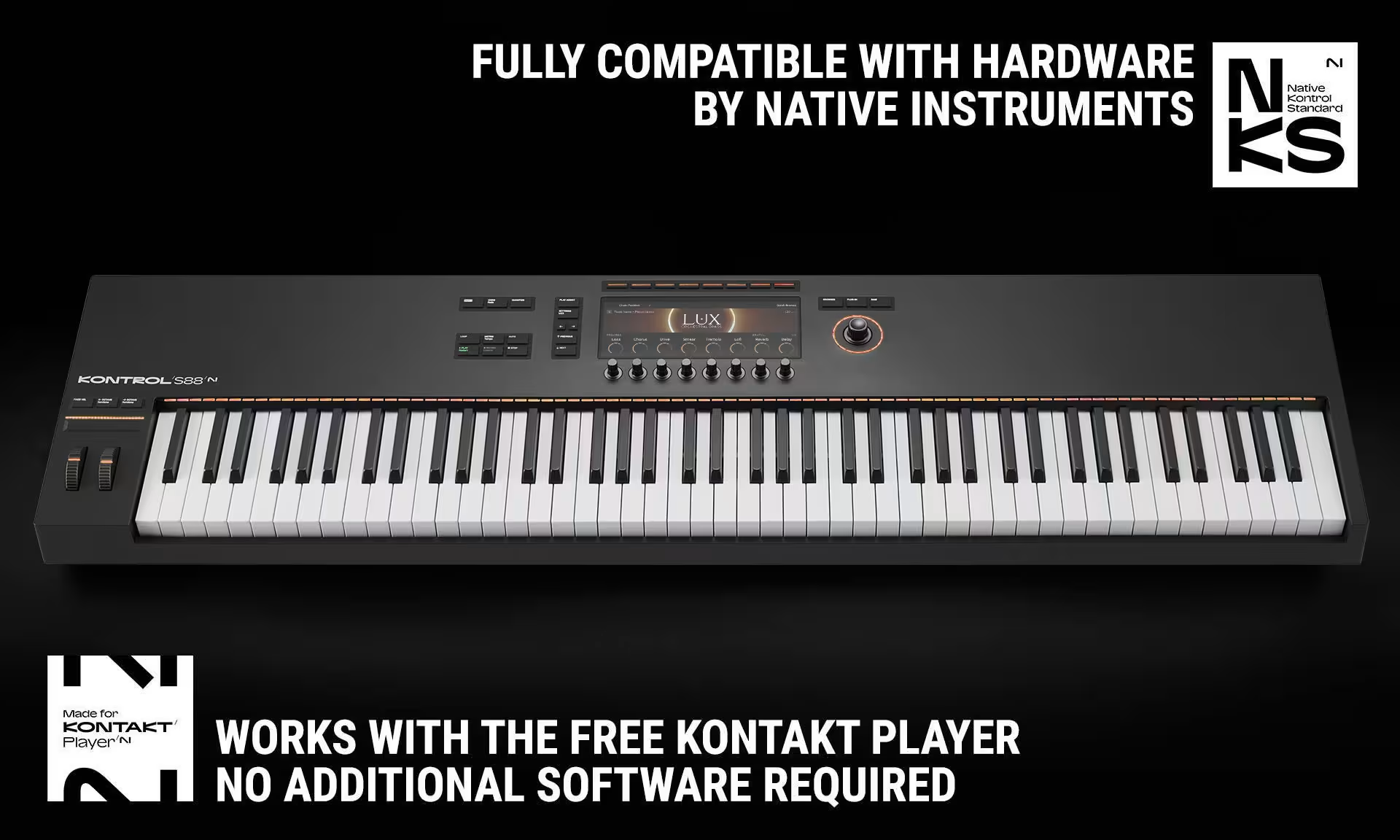
LUX Orchestral Brass runs in Native Instruments Kontakt Player 7.10.9 or later. The free Kontakt Player is supported.
AUDIO DEMOS – HEAR LUX IN ACTION
Listen to the full power and emotion of LUX Orchestral Brass & LUX Orchestral Strings in our handpicked audio demos. You’ll hear everything from gentle, lyrical moments to bold, cinematic climaxes, all performed by our 13-piece brass and 70-piece symphonic string ensemble. The demos highlight the different short articulations, smooth articulation changes, lyrical legato passages, and the way bleed microphones capture the subtle details, just like you’d hear on a real scoring stage. We hope these demos inspire you and show how LUX Orchestral Brass can add cinematic impact to your music.
SYSTEM REQUIREMENTS
- Works with the FREE KONTAKT PLAYER
- KONTAKT Version 7.10.9 or higher
- Apple Silicon Macs: macOS 13, 14 or 15 (latest update)
- Intel Macs (i5 or higher): macOS 13, 14 or 15 (latest update)
- Windows 10 or 11 (latest Service Pack), Intel Core i5 or equivalent CPU
- Graphics hardware support for OpenGL 2.1 or higher and Direct 3D 11.1
- 8GB RAM (more recommended)
- At least 59 GB of free hard disc space
KEY FEATURES
- Full Orchestral Brass Section
Recorded on the same scoring stage as LUX Orchestral Strings, with every section in its natural orchestral position for depth, detail and dynamic realism. - 6 Mic Positions + Full Mix
Close, Mid, Tree, Far, Brass Bleed and Orchestra Bleed, plus a ready-to-use Full Mix for maximum control over the orchestral space. - Up to Six Dynamic Layers
Separately recorded from pp to fff, capturing the natural change in character and timbre of real brass, not just volume. - Auto Divisi Instruments
For Horns, Trumpets and Trombones: notes are distributed across the players while keeping the original section size. Polyphonic Legato allows flowing chords and independent moving voices. - Composer-Crafted Ensembles
10 ensemble combinations and 12 voicings, with intelligent Note Selection for ready-orchestrated brass parts. - Adaptive Patches
Switch naturally between articulations based on your playing and note length, from Adaptive Legato to fanfare-style Staccatissimo and Marcato combinations. - Temperament Control
Choose between Equal and Werckmeister III temperament, with subtle fine-tuning based on the selected root key. - Seamless Articulation Transitioning (S.A.T.)
Change articulations within a held note, e.g. from Legato into Sustain or from Sustain into Espressivo. - Expressive Performance Controls
CC11 Expression, Polyphonic Aftertouch and Dynamic Input Smoothing for detailed control over shape and intensity. - Engineered by Peter Fuchs
Same engineer and scoring stage as LUX Orchestral Strings, using a carefully selected collection of DPA, Neumann and Schoeps microphones.
Version 1.0.0 (Oct 2026)
Initial Public Release