A Composer Who Built His Own Path, and Why LUX Became His Go-To Strings
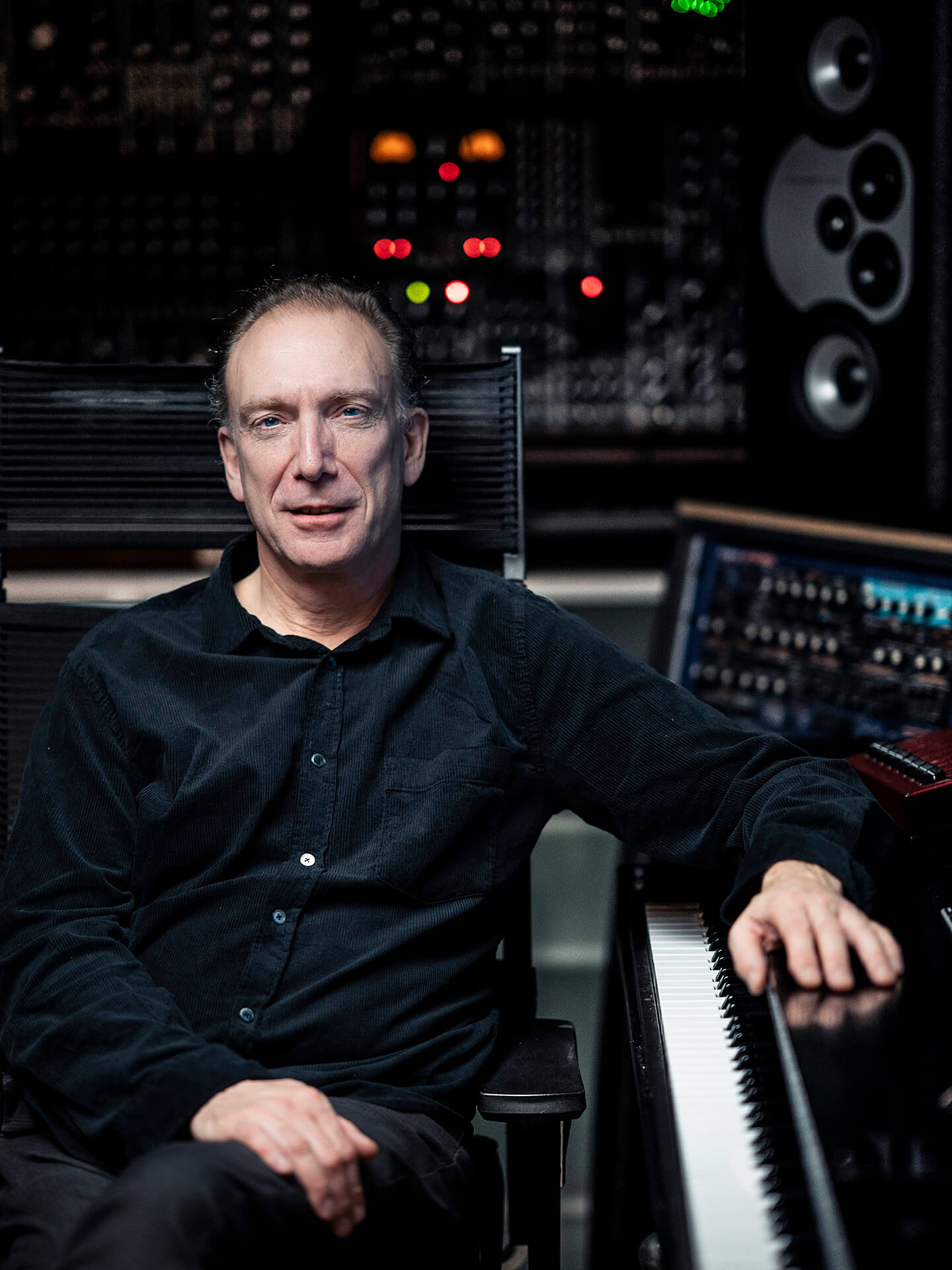
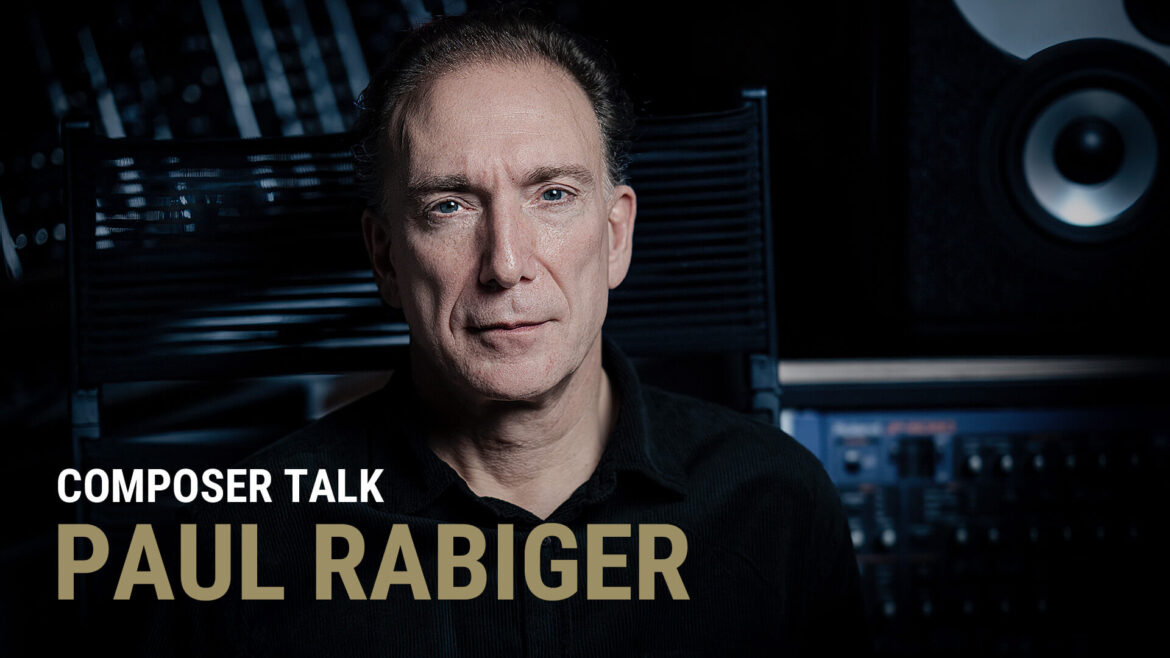
Some composing careers grow from formal musical training. Others come from instinct, improvisation and saying yes to opportunities long before you have worked out how to deliver them. Paul Rabiger belongs firmly in the second group. With more than two hundred documentaries and over one hundred and eighty episodes of German television behind him, he spoke with us about improvisation, impostor syndrome, the reality of sustaining a career for decades, and why LUX Orchestral Strings gave him the strongest emotional response he has ever had from a library.
Improvisation From The Start
Paul’s musical beginnings were shaped by instinct rather than notation. He struggled with reading music as a child, but it pushed him into making things up and exploring harmony by ear.
“I read music very, very badly,” he said. “I loved jazz when I was eight, nine, ten years old… all these beautiful romantic chords. I wasn’t really reading the notes.”
Home gave him everything he needed to experiment. “We had an old valve reel to reel recorder and I was forever experimenting… upright piano, various guitars and effects.”
At fourteen he visited a big London studio. “I was totally knocked out with the mixing desk and control room.” That moment made the studio world feel like home.
Utopia Studios, The Police and the Human League
By nineteen Rabiger was working at Utopia Studios. His first session left its mark. “The first session I worked on was recording overdubs with The Police for their Atlanta concert video.”
A few months later he crossed paths with the Human League. A producer who remembered him from years earlier brought the band in, then left him to run the session. “He left me recording the Human League… the band were furious and sacked him.” They kept Paul because he played keyboards and understood what they wanted.
He also assisted Michael Kamen during this period. “I was able to get a glimpse of him working,” he said, “projects such as Brazil.”
Production Work and a Decisive Shift
He engineered, produced and played on “some 40 albums and singles” during the 90s. But at twenty nine he wanted to write for picture. His father, a respected film educator, gave practical advice. Build on what you know, work in post production and get close to filmmakers.
So Rabiger moved to Cologne, learned German on the job, worked eighty hour weeks and waited for the right moment.
The Turning Point
An RTL police drama wanted a more modern musical approach. Rabiger had mentioned to an editor that he wanted to score again. The editor asked him to write ten minutes for a ninety minute special.
He wrote it in a tiny flat full of synths and guitars. “On a Macintosh… during the night and at weekends,” he said. He synced cues with “a video recorder in my kitchen and a stopwatch”. QuickTime was shown to him halfway through the job.
The producer liked what he heard and told him to continue. He scored the full special, then twenty six episodes in the following year.
“It nearly killed me health wise.” The producer eventually insisted he choose between sound and music because doing both was dangerous. Rabiger chose music. In total he scored 180 episodes.
Impostor Syndrome and Retraining
When the series ended and the work stopped, Rabiger questioned everything. “I had impostor syndrome,” he said. He confronted it directly. He took classical piano lessons for five years, studied harmony and orchestration, and attended the Cologne Music Academy as a guest student. “It was totally embarrassing,” he said. But it rebuilt his foundation.
The Working Composer Most People Never See
This is where Rabiger’s story reflects a much bigger truth about the industry.
There is an entire world of composers who are not household names, yet they work steadily for decades. They score television, documentaries, streaming, educational programming, regional cinema, corporate films, games and everything in between. They are not failures because they are not Hans Zimmer or Danny Elfman. They are professionals who keep the creative engine turning every week.
Rabiger is one of them. He has carried shows watched by millions, delivered under impossible schedules, reinvented himself more than once, and adapted to every major shift in technology for more than twenty years. That kind of career is something to be proud of, even if the general public never learns your name. For most composers, longevity is the real victory.