There’s a metal sculpture at a German university that’s become part of the space; it’s been there for years, with students passing by daily. Even though a percussionist once played it in a concert, most people who see it don’t know what it is, what it’s called, or that instruments like it exist.
But THE SCULPTURE project lead Jonas Schüsselin knew about it. He thought more people should know about it and experience its unique sound, so earlier this year we recorded the instrument.
What Is the Sound Sculpture?
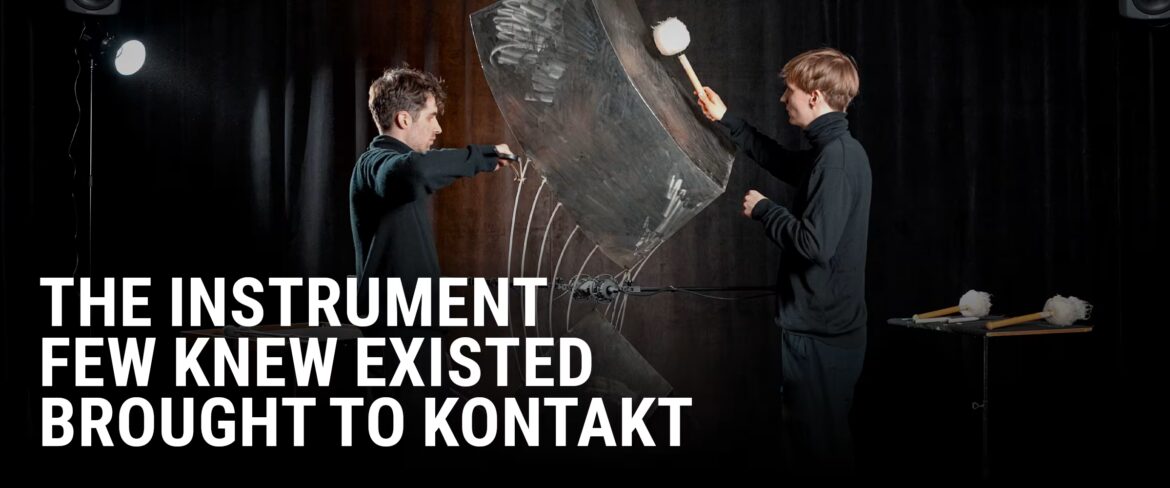
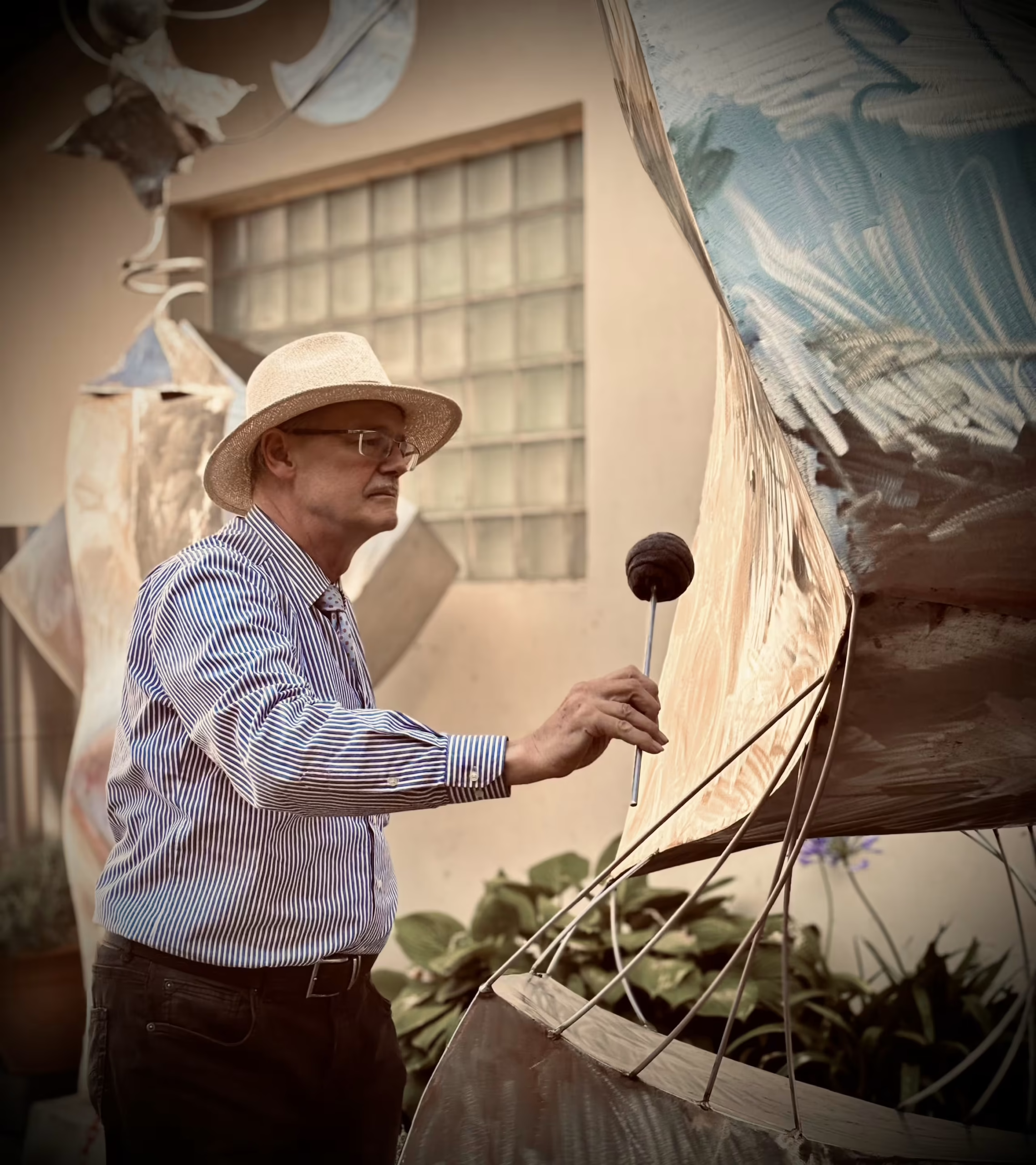
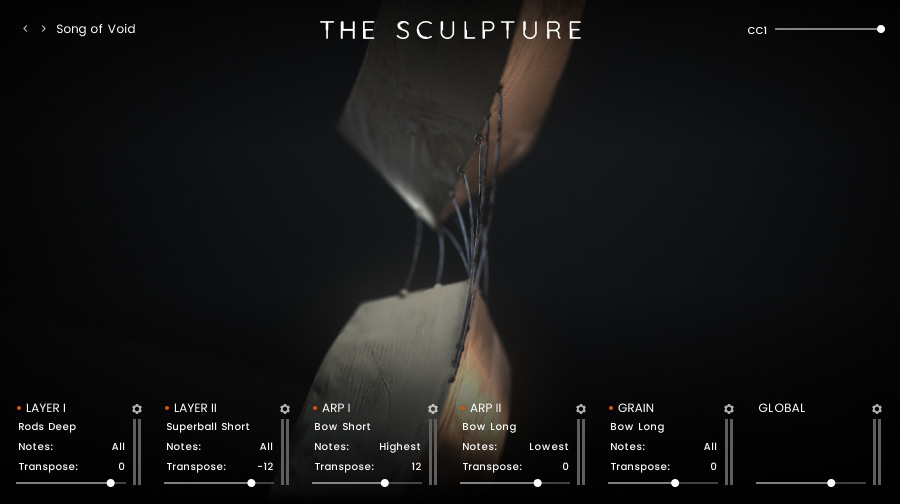
The sculpture is built by german artist Klaus Gündchen. immediately catches your eye. Its main body is a hollow chamber, similar to a large bell, with metal rods of varying lengths protruding. You can play the top, the underside, and the rods, and each part produces a different sound depending on how you play it.
If you hit the upper part with a mallet, you get a huge, lasting resonance. Using a violin bow creates deep, singing, and otherworldly tones that are hard to describe. Running a stick along the metal rods gives you a sound that’s more like a textured effect than a traditional orchestral sound. The variety you can get from just one instrument is amazing.
These enigmatic instruments have been played at concerts around the world. One of these sculptures was played at a festival in Tokyo and made a big impression. There are videos of four of them playing together at a show in Germany. Reportedly, one was even built from a jet aircraft engine. These aren’t typical instruments.
The Artist
The sculpture itself is the work of German artist Klaus Gündchen, who has spent decades exploring the relationship between geometry, movement and sound.
For Gündchen, sculpture was never only a visual medium. Over the course of his career, he found that the same shapes and ratios that define a piece’s structure also govern how the metal behaves acoustically. Many of his sculptures produce sound when touched, struck, or when air moves through them. In some pieces, hollow chambers or precisely angled surfaces amplify that resonance further, letting the sculpture generate tones in response to movement or the environment around it.
He doesn’t treat sound as something added afterwards. It’s there in the form from the start, as much a part of the piece as its shape. Since the 1980s, his work has been exhibited internationally and installed in public spaces, where the changing reflections and spatial presence invite people to experience each piece from constantly shifting angles.
How It Became a Virtual Instrument
Jonas knew a percussionist who had played the sculpture during his university days. The instrument was still in the same building, mostly untouched. The percussionist suggested recording it, and Jonas considered turning those recordings into a virtual instrument.
They recorded the sculpture last year. When Sonuscore founder Tilman heard the recordings, he was immediately impressed. They quickly decided to turn it into a Kontakt instrument.
“It is really unique,” Jonas says. “You can describe it as a mixture between a really epic synth-like tone, something that sounds really big when you hit the top or the underside, and then the rods in between, which have a really minimal, almost granular sound.”
This remarkable sound, combined with its tonal versatility, is what sets THE SCULPTURE apart from anything else in the Sonuscore collection, or anywhere else for that matter. The powerful sounds fit well with orchestral brass and taiko drums, while the more textured, granular sounds are perfect for sound design rather than traditional music. Both types of sounds come from the same instrument, recorded in one session and now available to anyone using Kontakt.
For film composers, these sounds can be especially useful for building tension in suspenseful scenes, layering atmospheric textures in cinematic cues, or adding a striking accent in trailers. THE SCULPTURE‘s unique tonal palette makes it easy to blend with orchestral instruments or to stand out on its own for moments that need an unexpected or haunting character.
The Recording
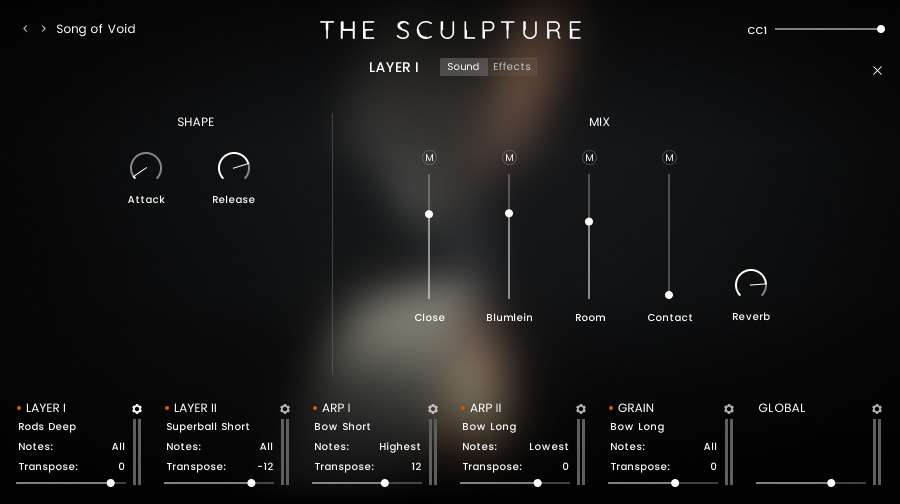
We recorded THE SCULPTURE across four distinct microphone perspectives.
Close and far microphones capture the instrument in the usual way. The contact microphone is placed directly on the metal, picking up vibrations rather than air movement, which gives a sharper, more direct sound than the ambient mics. The Blumlein setup is the most unusual. It records the internal resonance of the sculpture, the sound it makes within itself, which differs from what the other microphones pick up.
The articulation set includes mallet hits, rolls, bow tones, stick vibrations, and other mechanical textures that are more metallic and ambient than melodic.
Two Instruments
THE SCULPTURE comes in two versions within the same product.
The first version is a dry, playable instrument without any added effects. It gives you direct access to the original recordings from all four microphone positions. This is ideal for composers and sound designers who want to work with the raw sounds.
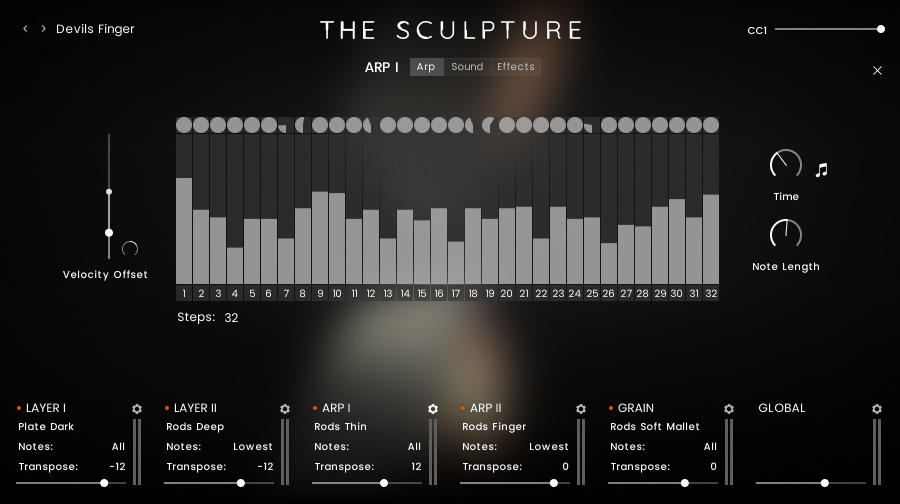
The second version uses an engine similar to our acclaimed methodology. It gives users a more ready-to-use experience, with patterns and movement built on top of the recorded sounds, instead of playing each note individually. This version also includes a range of cinematic presets and pattern examples tailored for film scoring. These presets let composers quickly audition the instrument’s potential for cinematic soundscapes and scoring, making it easy to find inspiration for dramatic cues and atmospheric moments.
Who Is This For?
Jonas is clear about who this is for: “Film composers, people working in modern films who are looking for a really unique sound. Sound designers. Game composers.” The instrument fits right at the crossroads of these fields, which is where some of the most exciting work in modern scoring is happening.
This instrument isn’t for everyone. THE SCULPTURE has a very distinct character; it’s not generic or interchangeable, and you’ll know right away if it fits your project.
For those who connect with it, there’s nothing else like this instrument. It’s special not because of the recording or the plugin, but because of the instrument itself. Only ten exist in the physical world, and now you can play one.